
-
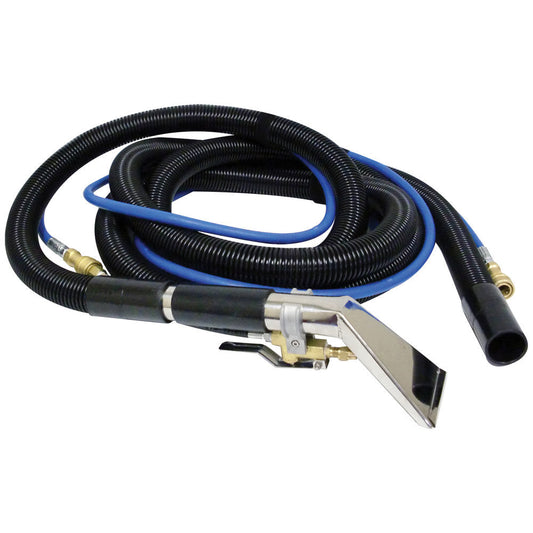
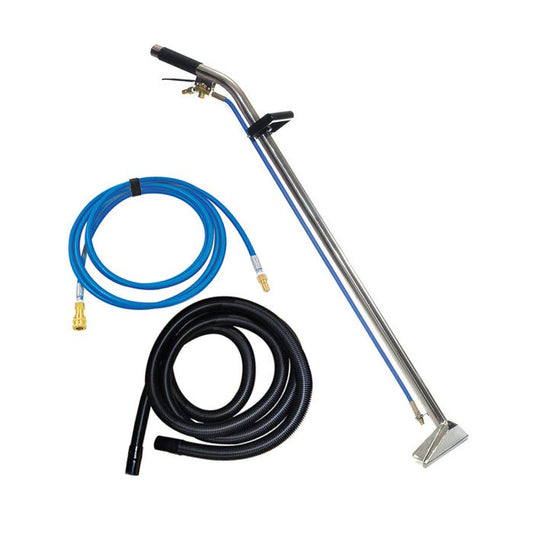
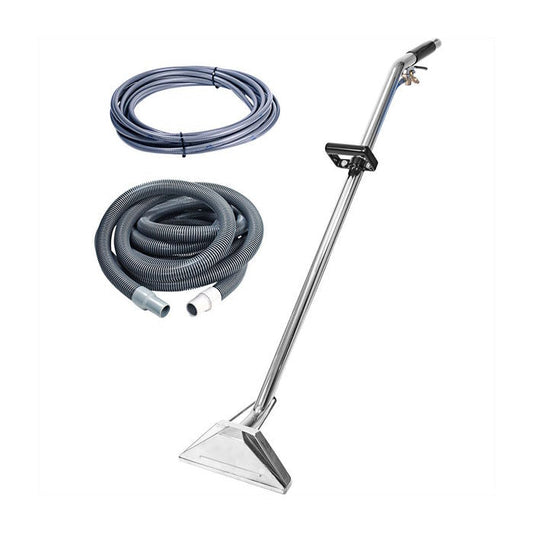
Sandia 12" Single Jet Carpet Extractor Drag Wand & 15' Hose Set 80-8009-A
Regular price $339.99 USDRegular priceUnit price per -
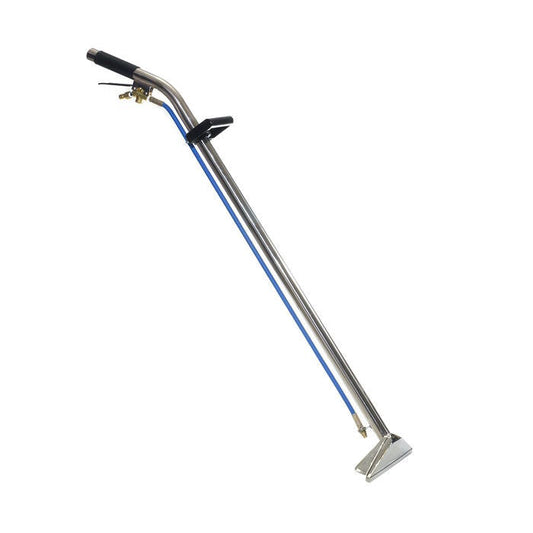
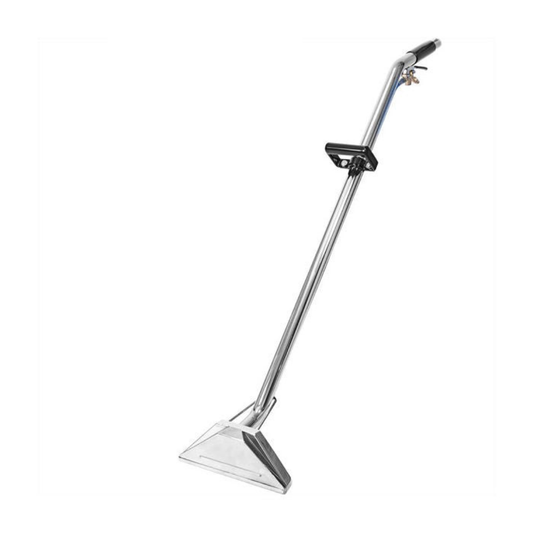
12" Sandia Single Jet Straight Carpet Extractor Wand (80-8008)
Regular price $248.99 USDRegular priceUnit price per -
Sandia 4" Stainless Steel Upholstery Tool & 15' Hose Combo (#80-8010)
Regular price $360.00 USDRegular priceUnit price per -
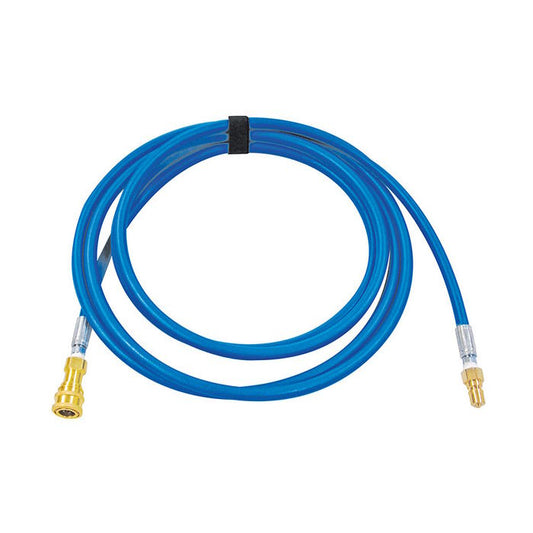
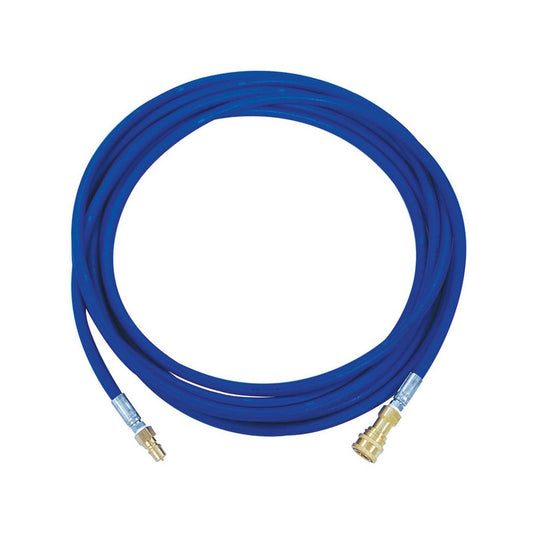
Sandia Carpet Extractor 15' Solution Line
Regular price $120.00 USDRegular priceUnit price per -
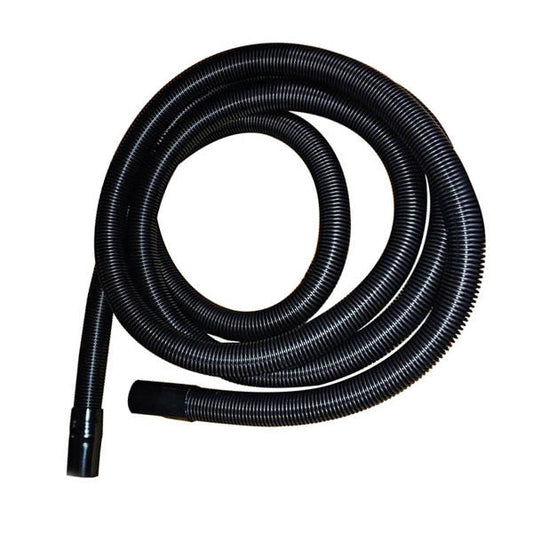
15' Vacuum Hose (1.5" Diameter) for Sandia Carpet Extractors
Regular price $84.00 USDRegular priceUnit price per -
12" Sandia Single Jet Straight Carpet Extractor Wand (#02 Orifice)
Regular price $248.99 USDRegular priceUnit price per -
Sandia 12" Single Jet Carpet Extractor Drag Wand & 15' Hose Set
Regular price $339.99 USDRegular priceUnit price per -
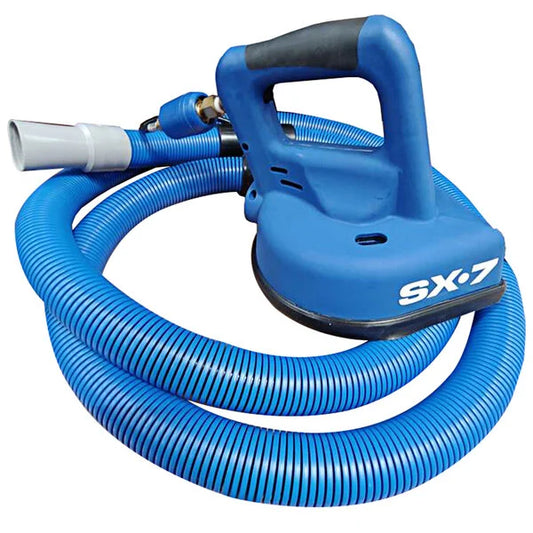
Sandia Sniper 7" Handheld Hard Surface Turbo Brush Tool (#10-0874)
Regular price $1,789.00 USDRegular priceUnit price per -
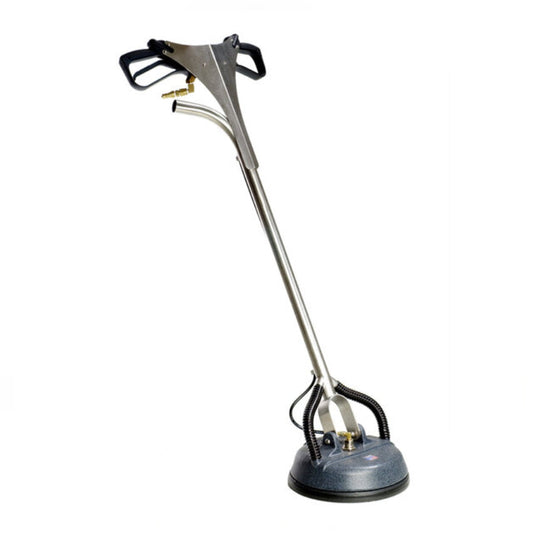
Sandia 12" Hard Floor Turbo Brush Tile Cleaning Tool (#10-0859)
Regular price $2,269.00 USDRegular priceUnit price per -
25' Solution Line for Sandia Carpet Extractors
Regular price $142.40 USDRegular priceUnit price per -
Sandia Sniper 25' Vacuum Hose with Cuffs Assembly
Regular price $120.00 USDRegular priceUnit price per -
Sandia 12" Stainless Steel Dual Jet Carpet Extractor Drag Wand
Regular price $415.20 USDRegular priceUnit price per -
Sandia 25' Hose & 12" Carpet Cleaning Wand Package (0 -1200 PSI) - 2 Jets
Regular price $399.99 USDRegular priceUnit price per -
Sandia 60-1001 Backpack Vacuum Micro-Lined Filter Bag, 10 quart (Pack of 10)
Regular price $48.95 USDRegular priceUnit price per -
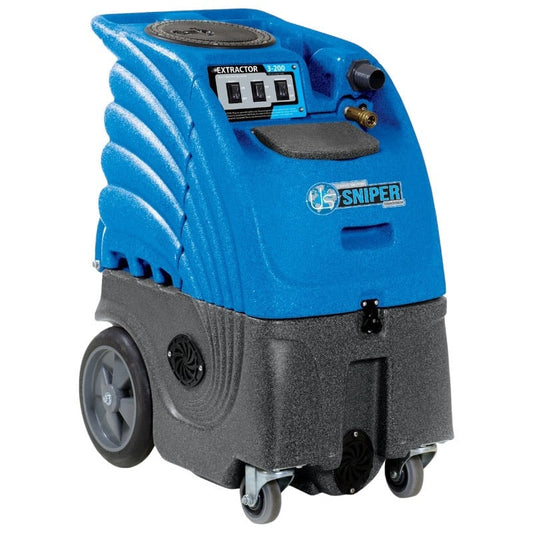
Sandia 6-Gallon 86-3100 Series Dual 3-Stage Sniper Carpet Extractor - 100 PSI Pump with Optional Heat
Regular price From $2,318.00 USDRegular priceUnit price per



Frequently Asked Questions
A: First, vacuum the carpet thoroughly and pre-treat any heavily soiled areas with a spot cleaner. Next, fill the clean water tank with the appropriate solution mixture. Operate the extractor by applying the solution with slow passes and immediately vacuuming it back up, repeating until the extracted water is clear. Finally, allow the carpet to dry completely, which can take several hours, before replacing furniture or allowing foot traffic.
A: Yes, an extractor is generally considered better for deep cleaning because it uses higher pressure to inject the cleaning solution deep into the carpet fibers and significantly more powerful suction to remove the dirty water. This results in a more thorough clean, less residue left behind, and faster drying times compared to typical residential carpet cleaner/shampooer machines.
A: Proper maintenance includes several crucial steps: always empty and thoroughly rinse both the clean water and recovery tanks after each use to prevent bacterial growth and odors. Rinse and clean any filters or spray nozzles regularly. Check seals and gaskets for wear and tear, and store the machine in a clean, dry place to ensure a long lifespan and effective performance.
A: The purpose of a carpet extractor is to provide a deep, restorative clean for carpets and upholstery. It achieves this by injecting a mixture of water and cleaning solution into the fabric under pressure to dislodge deeply embedded dirt, allergens, and grime, and then immediately extracting that liquid back out using powerful suction.
A: The frequency of extraction depends on how much traffic the area receives. In a residential home with light traffic, extracting the carpet once or twice a year is typically sufficient. In high-traffic commercial settings or busy households with pets or children, it may be necessary to extract every three to six months to maintain cleanliness and hygiene.
A: When you use a hot water extractor (often called "steam cleaning"), the dirt is dislodged from the carpet fibers by the hot water and cleaning solution. The machine's powerful vacuum system then immediately sucks up this dirty liquid mixture and stores it in a separate "recovery tank" within the machine, which is later emptied and disposed of.