
-
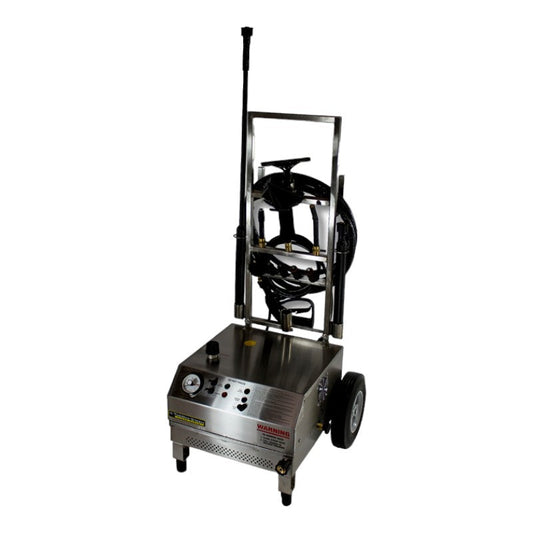
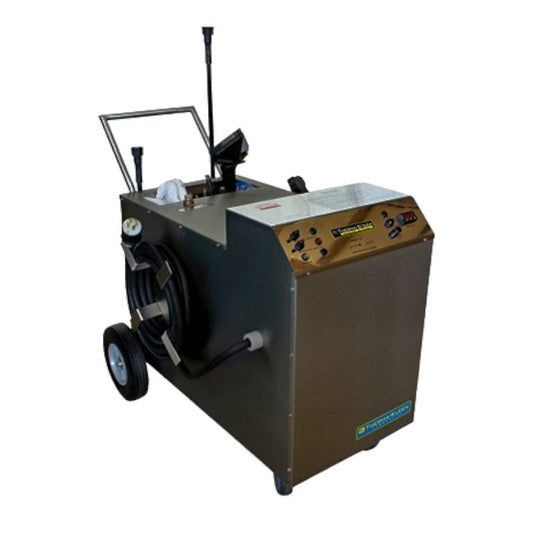
THERMA-STEEM Industrial Model 400 Vapor Steam Cleaner
Regular price $6,595.00 USDRegular priceUnit price per -
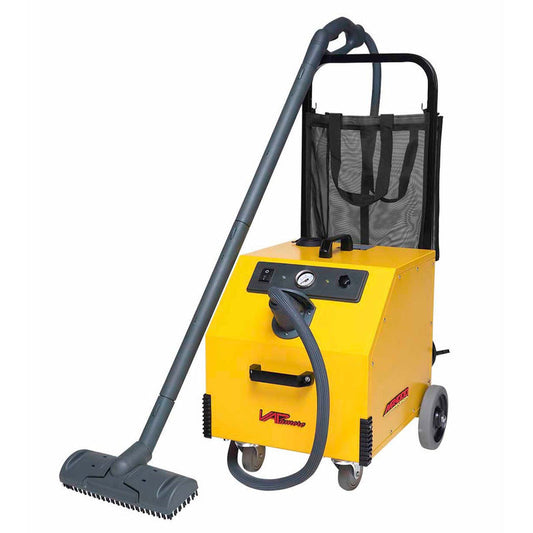
Vapamore MR-1000 Forza Commercial Steamer
Regular price $1,799.00 USDRegular priceUnit price per -
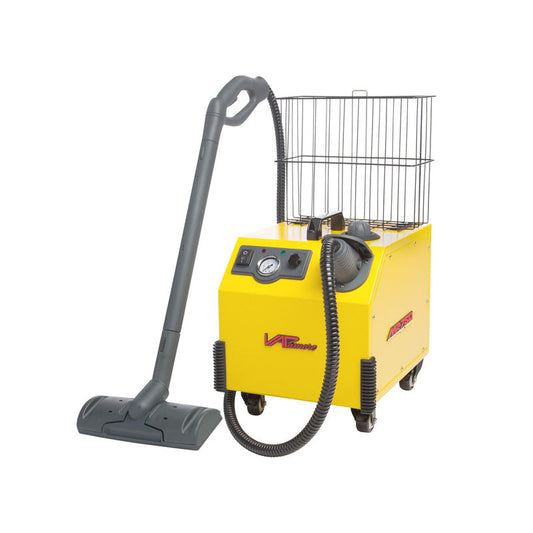
Vapamore MR-750 Ottimo Heavy Duty Steam Cleaning System
Regular price $999.00 USDRegular priceUnit price per -
FORTADOR VOLT ELECTRA
Regular price $8,511.00 USDRegular priceUnit price per -
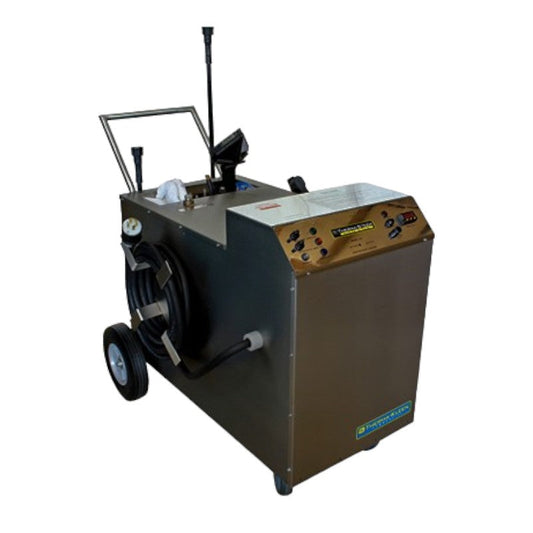
THERMA-STEEM Industrial XL3 Model Dry Vapor Steam Cleaner
Regular price $23,995.00 USDRegular priceUnit price per -
THERMA-STEEM Industrial XL2 Model Dry Vapor Steam Cleaner
Regular price $21,995.00 USDRegular priceUnit price per -
THERMA-STEEM Industrial XL1 Model Vapor Steam Cleaner
Regular price $19,995.00 USDRegular priceUnit price per -
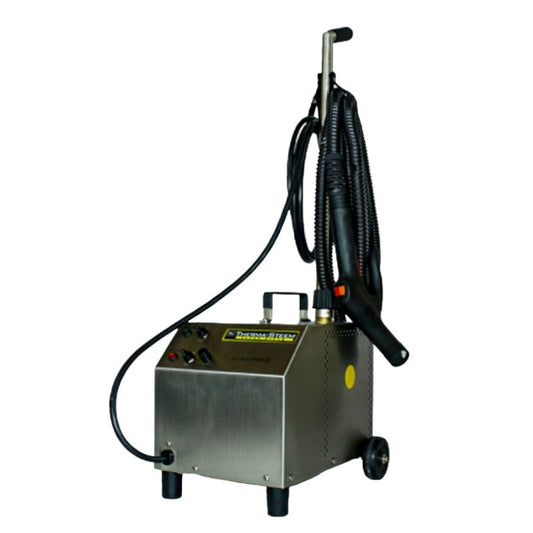
THERMA-STEEM .75 Model Dry Vapor Steam Cleaner
Regular price $2,295.00 USDRegular priceUnit price per -
THERMA-STEEM #10 Model Commercial Vapor Steam Cleaner
Regular price $3,595.00 USDRegular priceUnit price per -
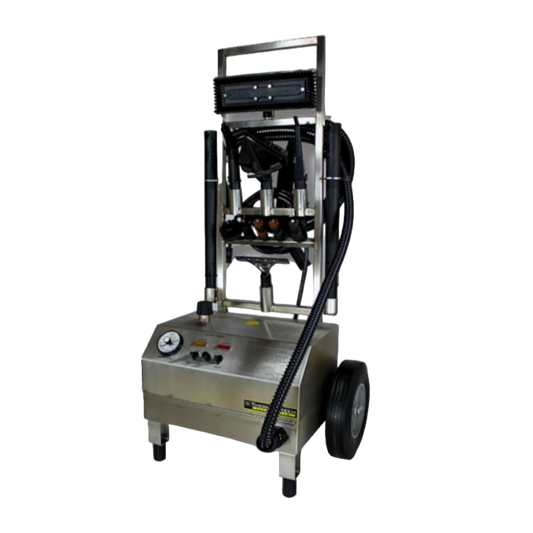
Therma-Kleen Ultra 600E Electric Steam Cleaner
Regular price $7,595.00 USDRegular priceUnit price per -
Therma-Kleen Ultra 250E Electric Steam Cleaner
Regular price $6,995.00 USDRegular priceUnit price per

Frequently Asked Questions
When you steam clean, the high-temperature steam loosens the dirt, grime, and soil from the surface, which is then typically wiped away with a microfiber cloth or absorbed by the machine's integrated vacuum or mop pad.
Manufacturers generally advise against adding anything to the water in a steam cleaner, as most machines are designed to operate using only plain distilled water; adding chemicals, soaps, or other solutions can void the warranty and cause internal damage or mineral buildup.
You can cautiously run diluted white vinegar through your steamer only as a descaling solution to remove internal mineral buildup, not as a general cleaning agent, provided the manufacturer's guidelines explicitly allow it.
The best solution to use in a steam cleaner for general operation is plain distilled water, which prevents mineral buildup in the internal components and ensures the machine functions correctly.
Yes, a steam cleaner can be safely used on shower glass to effectively loosen soap scum, remove grime, and kill bacteria, which makes the glass easier to wipe clean with a squeegee or cloth.
The black stuff in a steamer is likely a combination of mineral deposits from tap water reacting with internal metal components, the accumulation of dirt and grime picked up during cleaning, or mold/mildew buildup from improper drying and storage after use.