
-
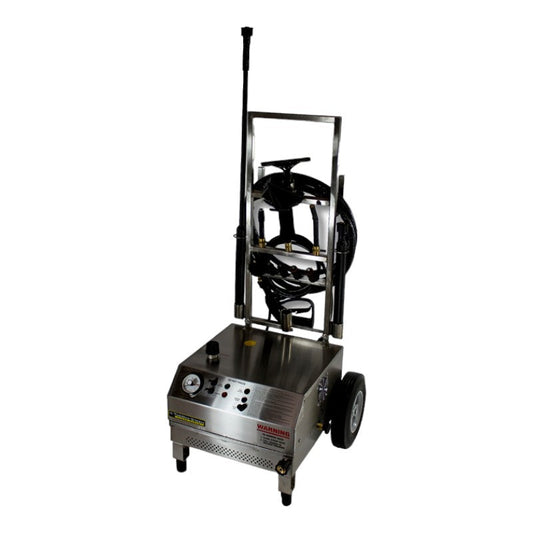
THERMA-STEEM Industrial Model 400 Vapor Steam Cleaner
Regular price $6,595.00 USDRegular priceUnit price per -
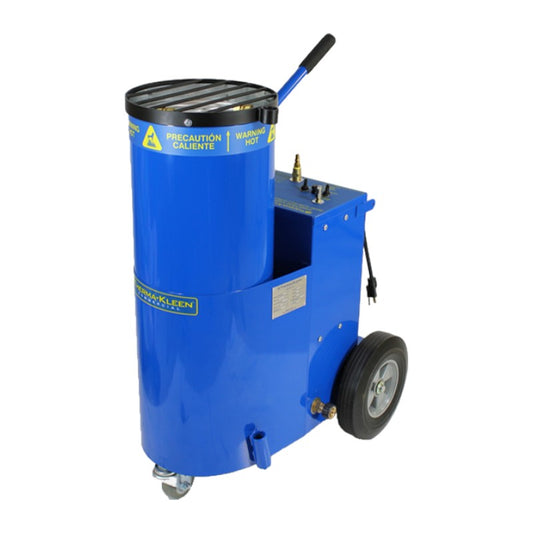
Therma-Kleen Ultra 600 Propane Steam Cleaner
Regular price $5,995.00 USDRegular priceUnit price per -
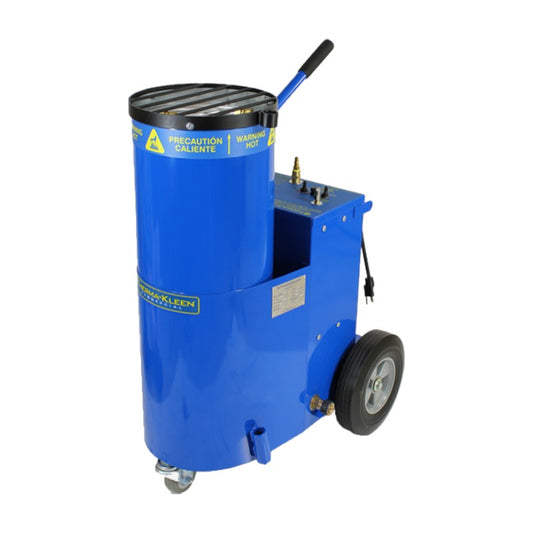
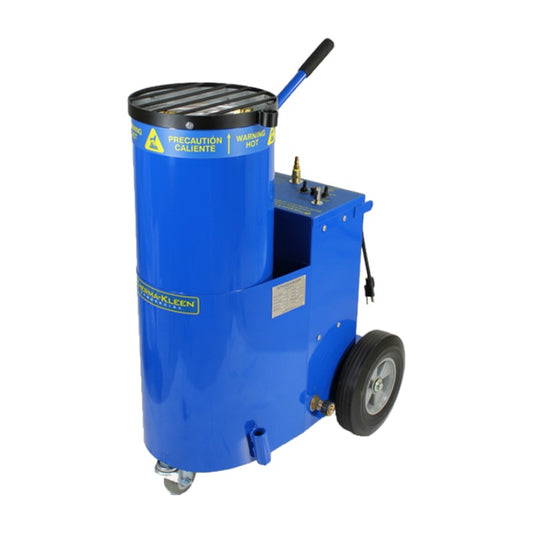
Therma-Kleen Ultra 1300 Propane Steam Cleaner
Regular price $6,595.00 USDRegular priceUnit price per -
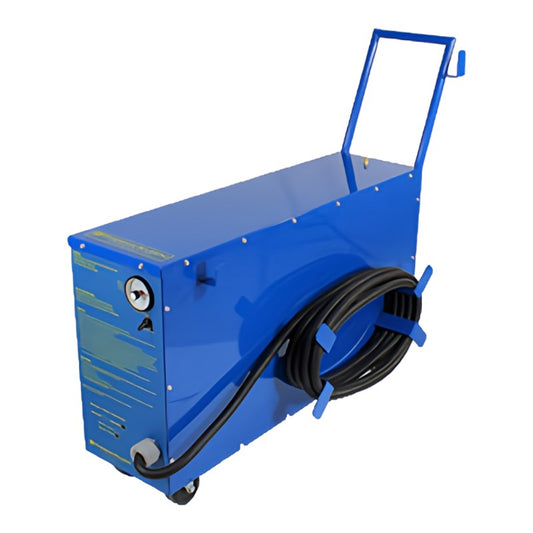
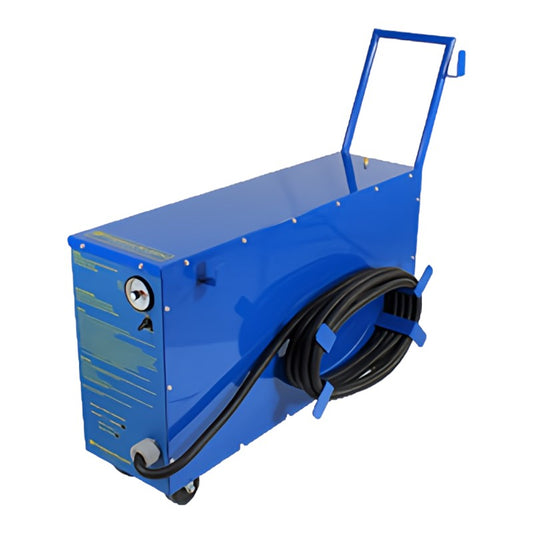
Therma-Kleen Ultra 250E Electric Steam Cleaner
Regular price $6,995.00 USDRegular priceUnit price per -
Therma-Kleen Ultra 250 Propane Steam Cleaner
Regular price $7,995.00 USDRegular priceUnit price per -
Therma-Kleen Ultra 600E Electric Steam Cleaner
Regular price $7,595.00 USDRegular priceUnit price per -
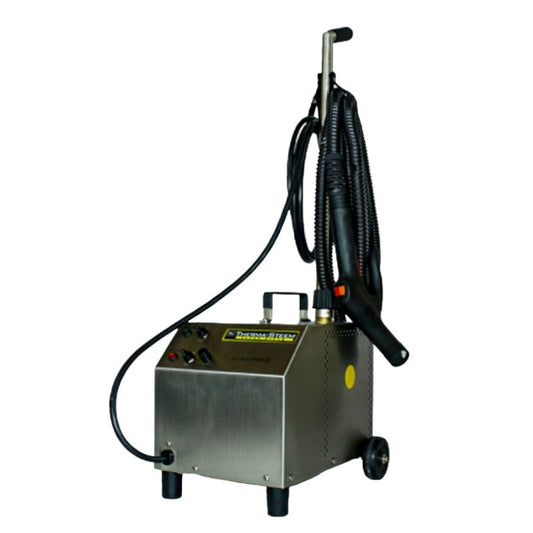
THERMA-STEEM .75 Model Dry Vapor Steam Cleaner
Regular price $2,295.00 USDRegular priceUnit price per -
THERMA-STEEM #10 Model Commercial Vapor Steam Cleaner
Regular price $3,595.00 USDRegular priceUnit price per -
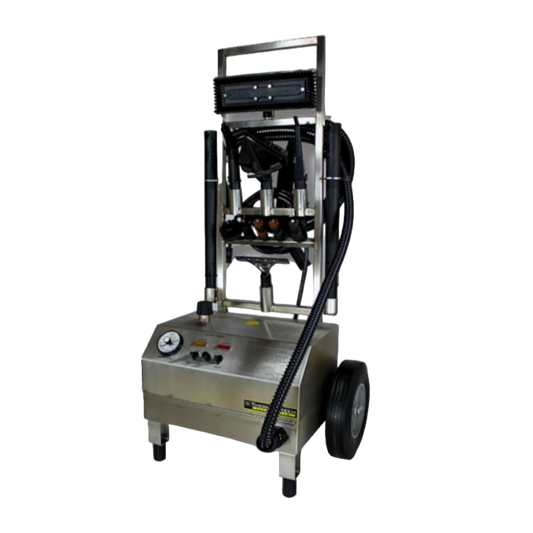
THERMA-STEEM Industrial XL1 Model Vapor Steam Cleaner
Regular price $19,995.00 USDRegular priceUnit price per -
THERMA-STEEM Industrial XL2 Model Dry Vapor Steam Cleaner
Regular price $21,995.00 USDRegular priceUnit price per -
THERMA-STEEM Industrial XL3 Model Dry Vapor Steam Cleaner
Regular price $23,995.00 USDRegular priceUnit price per
Frequently Asked Questions
You should not use a steam cleaner on unsealed floors (hardwood, laminate, unsealed stone), delicate fabrics (silk, velvet, leather), painted/waxed surfaces, electronics, cardboard, or cold glass due to the risk of damage, warping, or cracking.
Using tap water instead of distilled water will cause mineral deposits (limescale) to build up inside the machine, which will eventually clog the steam vents, reduce efficiency, and cause the steamer to fail prematurely.
The main downsides are that the process can damage heat- and moisture-sensitive materials, requires manual wiping to remove the loosened dirt (unless an extractor is used), requires warm-up time, and quality equipment can be expensive.
When you steam clean, the steam loosens the dirt and grime from the surface, which is then captured by a microfiber pad or wiped away manually with a cloth, as the dirt does not disappear on its own.
Yes, you can use a steam cleaner on shower glass to effectively remove soap scum and grime, but ensure the glass is not cold to avoid thermal shock (cracking) and use a squeegee to finish.
No, you should never add any soaps, vinegar, essential oils, or chemicals to the water tank of a steam cleaner, as this will clog the internal mechanisms, damage the machine, and void the warranty.