
-
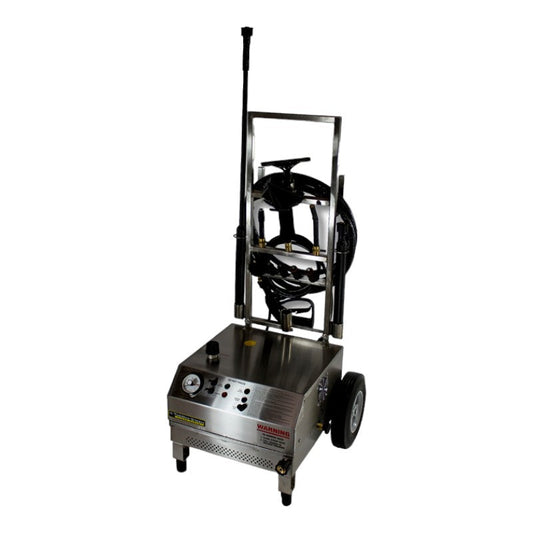
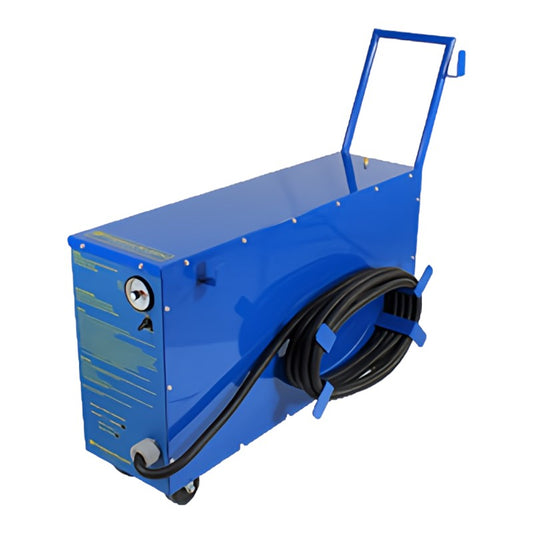
THERMA-STEEM Industrial Model 400 Vapor Steam Cleaner
Regular price $6,595.00 USDRegular priceUnit price per -
Fortador SENSORY Diesel-Hybrid Steam Cleaner – Powered by Lamborghini
Regular price $7,833.39 USDRegular priceUnit price per -
Fortador PRO MAX Upholstery Steam Cleaner
Regular price From $16,165.62 USDRegular priceUnit price per -
FORTADOR Volt Mini Deluxe Steam Cleaner
Regular price $6,417.74 USDRegular priceUnit price per -
Fortador PRO Hybrid Diesel Steam Cleaner - Professional Jet Wash
Regular price From $11,327.77 USDRegular priceUnit price per -
FORTADOR VOLT MINI Mobile Steam Cleaner
Regular price $2,999.46 USDRegular priceUnit price per -
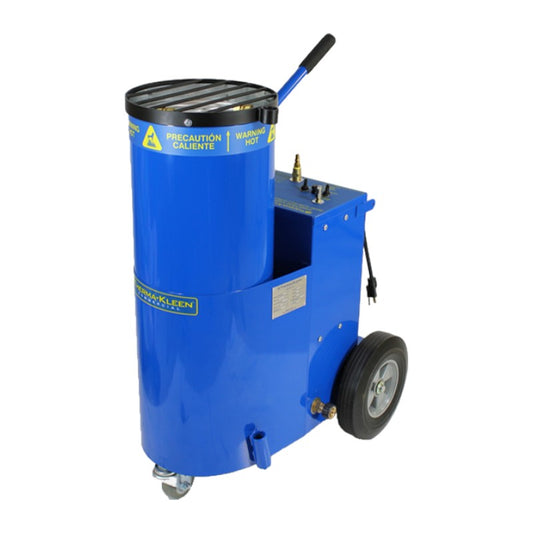
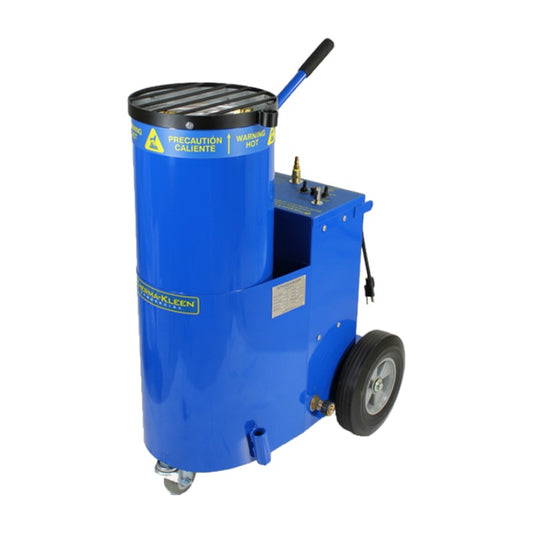
Therma-Kleen Ultra 600 Propane Steam Cleaner
Regular price $5,995.00 USDRegular priceUnit price per -
Therma-Kleen Ultra 1300 Propane Steam Cleaner
Regular price $6,595.00 USDRegular priceUnit price per -
Therma-Kleen Ultra 250E Electric Steam Cleaner
Regular price $6,995.00 USDRegular priceUnit price per -
Therma-Kleen Ultra 250 Propane Steam Cleaner
Regular price $7,995.00 USDRegular priceUnit price per -
Therma-Kleen Ultra 600E Electric Steam Cleaner
Regular price $7,595.00 USDRegular priceUnit price per -
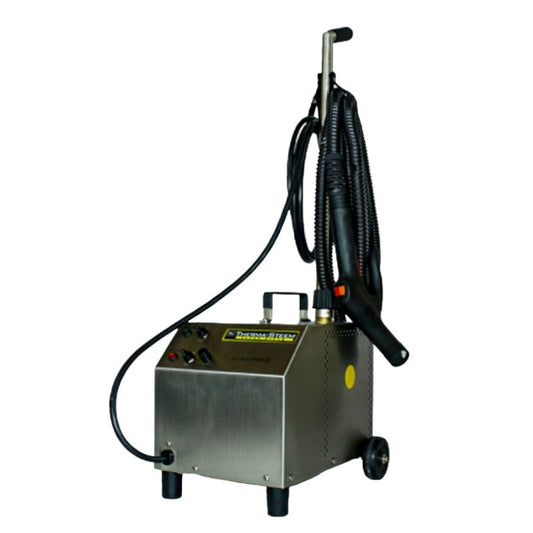
THERMA-STEEM .75 Model Dry Vapor Steam Cleaner
Regular price $2,295.00 USDRegular priceUnit price per -
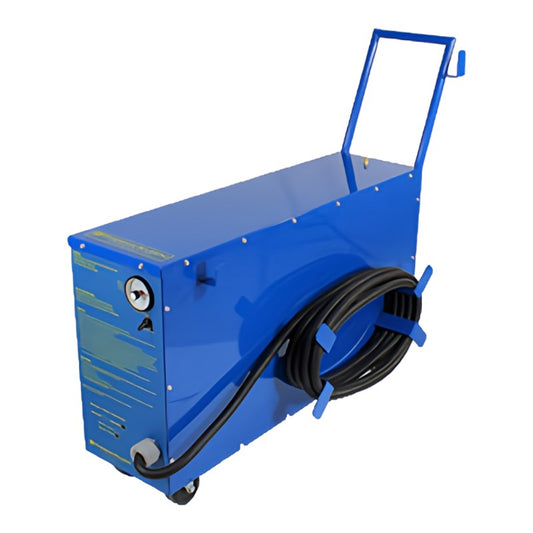
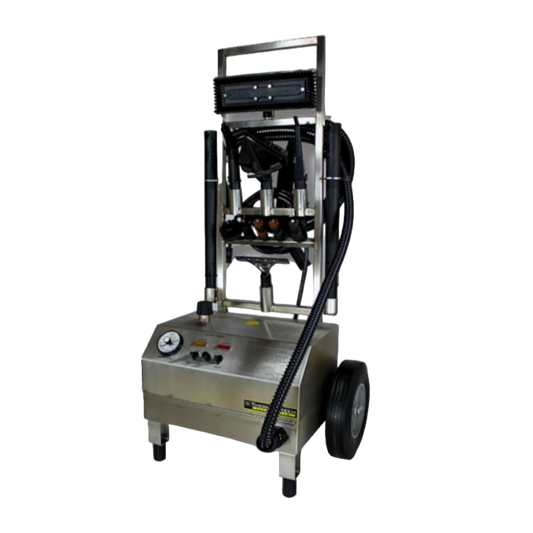
THERMA-STEEM #10 Model Commercial Vapor Steam Cleaner
Regular price $3,595.00 USDRegular priceUnit price per -
THERMA-STEEM Industrial XL1 Model Vapor Steam Cleaner
Regular price $19,995.00 USDRegular priceUnit price per -
THERMA-STEEM Industrial XL2 Model Dry Vapor Steam Cleaner
Regular price $21,995.00 USDRegular priceUnit price per -
THERMA-STEEM Industrial XL3 Model Dry Vapor Steam Cleaner
Regular price $23,995.00 USDRegular priceUnit price per


Frequently Asked Questions
Surfaces that cannot be safely steam cleaned include unsealed natural stone or hardwood, leather, certain delicate fabrics like silk, and any electrical outlets or appliances.
A commercial steam cleaner heats water in a pressurized boiler to superheated temperatures (often over 300°F) to create a low-moisture vapor that breaks down dirt and sanitizes surfaces without chemicals.
For effective commercial cleaning and sanitation, a steam cleaner with a pressure of 60 PSI or higher is considered good, with many powerful units reaching 90 to 120 PSI for heavy-duty tasks.
If you do not use distilled water, mineral scale from tap water will accumulate inside the boiler and heating elements, reducing efficiency, potentially causing blockages, and shortening the machine's lifespan.
Putting tap water in a steam cleaner will lead to a buildup of mineral deposits (limescale) that can clog jets, reduce heating efficiency, and eventually damage internal components like the pump and boiler.
No, boiling water only kills microorganisms and produces steam, but it leaves all the hard water minerals behind, whereas distillation completely removes minerals and impurities by vaporizing and re-condensing the water.