
-
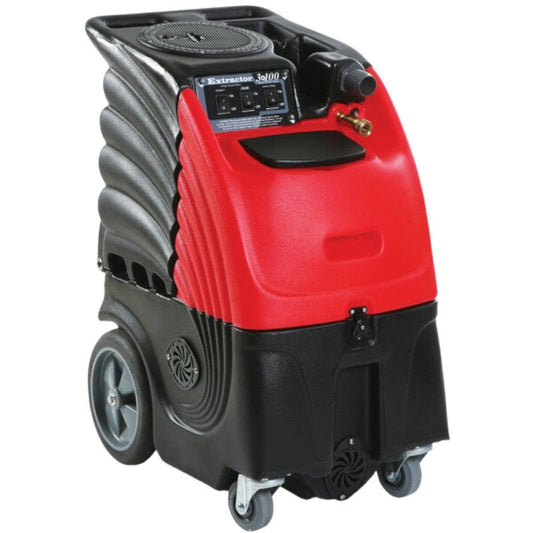
Sandia 6-Gallon 86-4000-H Indy 3-Stage Heated Automotive Carpet Extractor
Regular price $2,709.00 USDRegular priceUnit price per
Frequently Asked Questions
A: Using a carpet extractor involves several key steps: first, thoroughly vacuum to remove loose debris, then pre-treat any heavy stains. Next, fill the clean water tank with warm water and the appropriate cleaning solution. Operate the machine by making slow passes over the carpet, spraying the solution on the forward pass and vacuuming the dirty water back up on the return pass. Repeat until the water being collected in the recovery tank runs clear, and finally, allow the carpet to dry completely before walking on it.
A: The primary difference is their power and depth of cleaning. A carpet extractor is a heavy-duty machine designed for deep cleaning, using high pressure to inject water and solution deep into the carpet fibers and powerful suction to extract nearly all the moisture and embedded dirt. A standard carpet cleaner (shampooer) generally provides a lighter, surface-level clean using brushes and less powerful suction, making it better suited for regular maintenance rather than deep soil removal.
A: You should fill the clean water tank of the extractor with warm or hot tap water and a specialized, low-residue carpet extraction solution following the manufacturer's precise dilution instructions. Avoid using regular detergents or dish soap, as these create too much foam and leave a sticky residue that attracts more dirt over time.
A: Hot water is generally preferred and recommended for effective carpet cleaning. The heat significantly helps to break down tough, oily stains, emulsify grease, and kill bacteria and allergens much more effectively than cold water. Always check your machine's manual to confirm the maximum recommended temperature, especially for delicate or natural fiber carpets like wool.
A: Yes, hot water extraction (HWE) is widely regarded as the most effective method for deep cleaning carpets. It flushes dirt and grime out from the deepest layers of the carpet while the heat sanitizes and helps break down stubborn soils, providing a more thorough and long-lasting clean than surface-level methods. This method is recommended by the majority of carpet manufacturers.
A: The frequency of carpet extraction depends heavily on foot traffic. For residential homes with light use, once or twice a year is typically sufficient. For busy homes or commercial settings with heavy traffic, extracting the carpets two to four times a year (or more) may be necessary to maintain hygiene and appearance.