
-
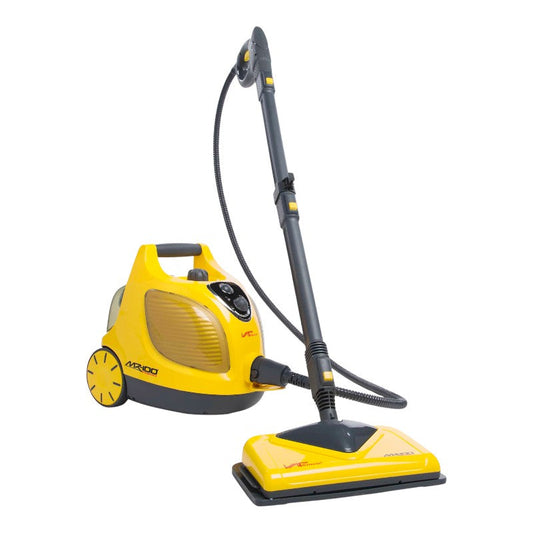
Vapamore MR-100 Primo Steam Cleaning System
Regular price $299.00 USDRegular priceUnit price per -
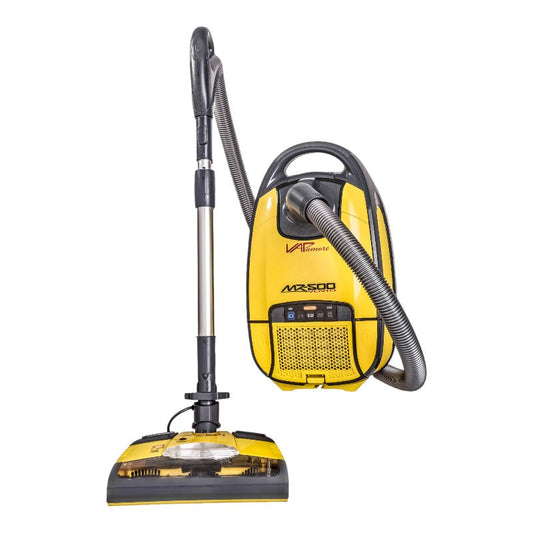
Vapamore MR-500 Vento Canister Power Vacuum System
Regular price $299.00 USDRegular priceUnit price per
Frequently Asked Questions
You should not use a steam cleaner on unsealed floors (hardwood, laminate, unsealed stone), delicate fabrics (silk, velvet), painted/waxed surfaces, electronics, cardboard, or cold glass, as the heat and moisture can cause irreparable damage.
No, you should never add soaps, vinegar, essential oils, or any cleaning chemicals to the water tank of a steam cleaner unless explicitly permitted by the manufacturer, as additives can clog the internal components and void the warranty.
To use a steam vacuum cleaner, you apply hot steam to a surface to loosen dirt and grime, and simultaneously (or shortly after) use the built-in vacuum function to extract the dirty water and debris into a separate recovery tank.
When using a steam cleaner that does not have a vacuum function, the dirt is loosened and lifts to the surface to be wiped away with a cloth, but with a steam vacuum cleaner, the dirty water is directly sucked into the machine's recovery tank.
The downsides include potential damage to heat- and moisture-sensitive materials, the need for manual wiping if the unit lacks an extractor, and the time required for the machine to heat up.
Your carpet may still be dirty after steam cleaning due to improper application of the cleaning solution, using a dirty extraction pad, insufficient extraction of the soiled water, or deep-seated stains that require pre-treatment and multiple passes.