
-
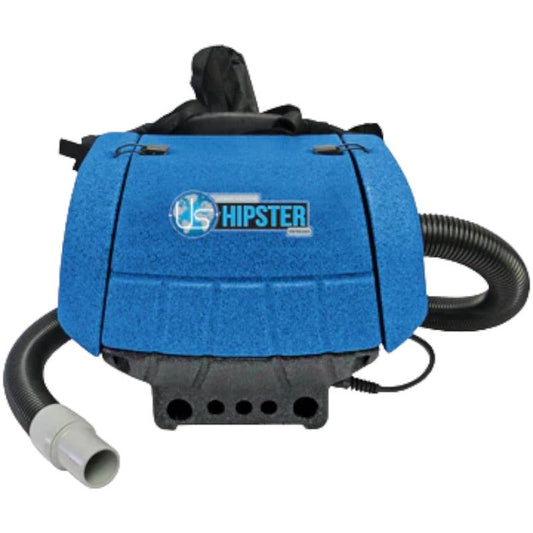
Sandia 30-3001 HEPA Hipster 6-Quart Hip Vacuum With 5 pc. Standard Tool Kit
Regular price $669.00 USDRegular priceUnit price per -
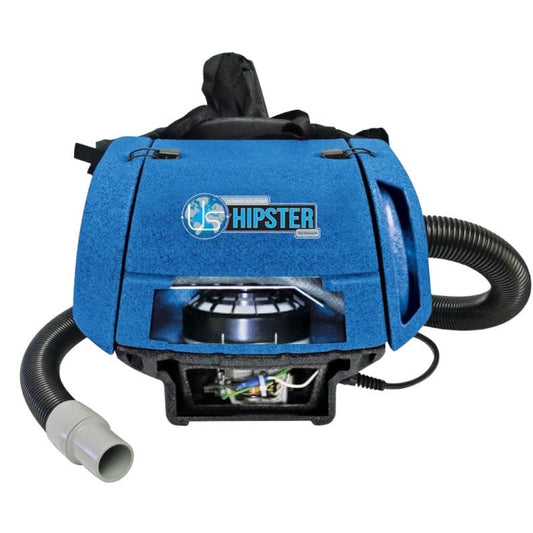
Sandia 30-2001 Super Hipster 6-Quart Hip Vacuum With 5 pc. Standard Tool Kit
Regular price $629.00 USDRegular priceUnit price per
Frequently Asked Questions
The most common problems with vacuum cleaners are loss of suction, clogged filters or hoses, a full dust bag or container, and the brush roll not spinning. These issues often stem from a lack of regular maintenance and can lead to secondary problems like motor overheating and the unit suddenly shutting off.
To accurately determine a vacuum's suction strength, you should check its technical specifications. The most reliable metric is Air Watts (AW), which combines both airflow and suction force into a single performance rating. If this spec is unavailable, other indicators include: Pascals (Pa) or Kilopascals (kPa): Measures static pressure (pull force). Water Lift (inches of H₂O): Measures how high the vacuum can lift a column of water, indicating suction power. Physical Tests: A simple visual check, listening for a steady, robust motor sound, and the "hand test" (feeling the pull at the hose inlet) can provide a general, non-technical gauge of strength.
Key specifications to look for in a vacuum cleaner include Air Watts (AW) for overall power, airflow (CFM), HEPA filtration if you have allergies, and compatibility with your specific floor types.
Air Watts (AW) measures suction best as it accounts for both the volume of air moved (CFM) and the force of the pull (static pressure), providing a comprehensive measure of cleaning power.
For effective cleaning, around 100-200 AW is sufficient for hard floors, while 180 AW or more is recommended for high-pile carpets and pet hair removal.
5500 Pa (Pascals) indicates a strong static air pressure (suction force), typically found in powerful cordless or robotic vacuums designed for deep cleaning various surfaces including thick carpets.