
-
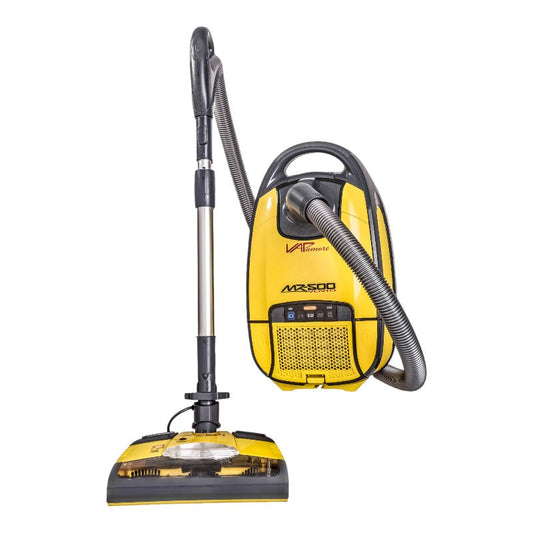
Vapamore MR-500 Vento Canister Power Vacuum System
Regular price $299.00 USDRegular priceUnit price per -
Novatek 3.3 Gallon HEPA Backpack Vacuum
Regular price From $1,894.00 USDRegular priceUnit price per -
Novatek 15 Gallon Wet/Dry HEPA Floor Vacuum
Regular price From $2,125.00 USDRegular priceUnit price per -
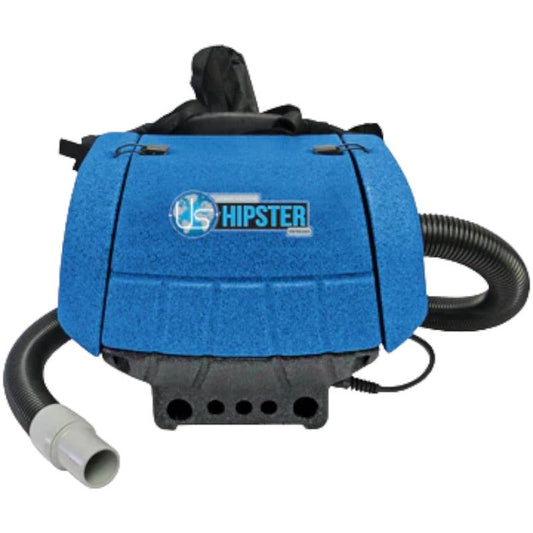
Sandia 30-3001 HEPA Hipster 6-Quart Hip Vacuum With 5 pc. Standard Tool Kit
Regular price $669.00 USDRegular priceUnit price per -
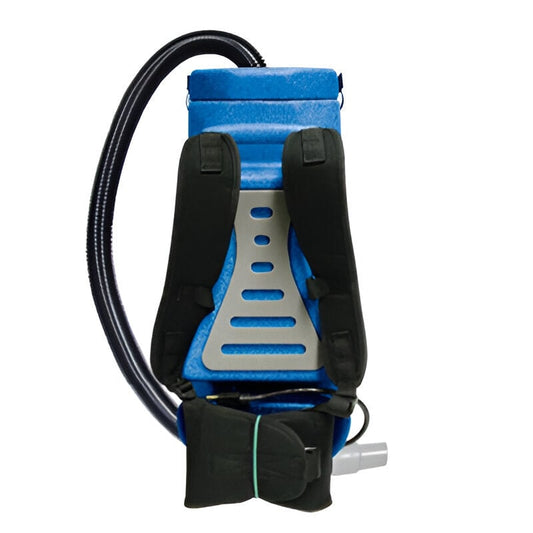
Sandia 20-3001 HEPA Raven 10-Quart Backpack Vacuum With 5 Pc. Standard Tool Kit
Regular price $709.00 USDRegular priceUnit price per


Frequently Asked Questions
A HEPA (High Efficiency Particulate Air) vacuum is a cleaning device that uses a special filter designed to trap a high percentage of microscopic particles. To qualify as a "True HEPA" filter, it must meet the U.S. Department of Energy standard of being able to remove 99.97% of all particles that are 0.3 microns in size or larger. This effectively captures common allergens like dust, pollen, pet dander, and mold spores, preventing them from being released back into the air during cleaning.
HEPA vacuums are generally considered worth it for individuals with allergies, asthma, or other respiratory problems who need to significantly reduce harmful airborne particles in their home. They provide a higher level of air quality control than conventional vacuums, which often allow tiny irritants to pass through their filters and recirculate in the air. For general use, they offer a cleaner and healthier indoor environment by ensuring contaminants are captured and contained.
Yes, a HEPA vacuum can effectively remove mold spores from surfaces and the air. Mold spores typically range in size from 1 to 20 microns, which is well within the capture capabilities of a True HEPA filter (0.3 microns).
HEPA filters are excellent at capturing particulate matter but have limitations. They do not remove gases, odors, or volatile organic compounds (VOCs), such as those found in chemical cleaners, paints, or smoke. Many viruses are also small enough to pass through a HEPA filter's mesh. To address these pollutants, HEPA filters are often used in combination with an activated carbon filter, which adsorbs the gases and odors.
Reactions to mold exposure vary by individual. Common symptoms, often resembling hay fever or cold symptoms, include: Respiratory issues: Coughing, wheezing, shortness of breath, chest tightness, and chronic sinus infections. Allergic reactions: Sneezing, runny or stuffy nose, itchy/watery eyes, sore throat, and skin rashes. Other symptoms: Headaches, migraines, persistent fatigue, muscle/joint pain, and "brain fog" (difficulty concentrating or memory problems).
To test for mold in a house, you can conduct a visual and smell inspection, use over-the-counter DIY testing kits, or hire a certified professional to perform a comprehensive assessment using specialized equipment.