
-
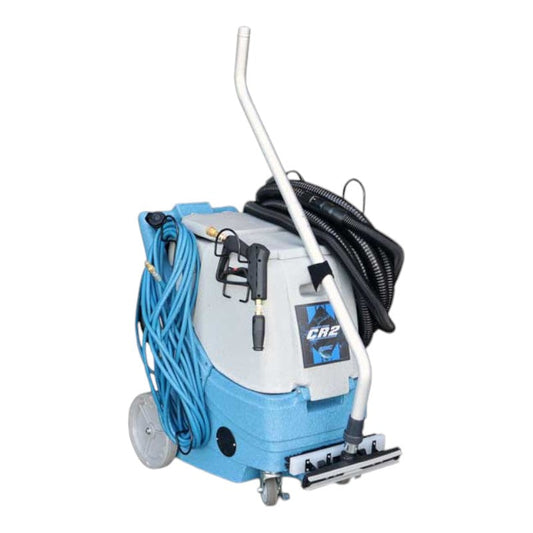
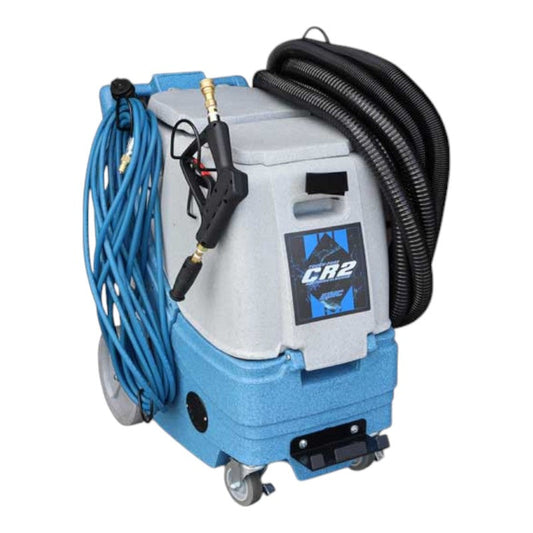
EDIC 2000RC CR2 Jr. Touch-Free Restroom Cleaner
Regular price $4,775.00 USDRegular priceUnit price per -
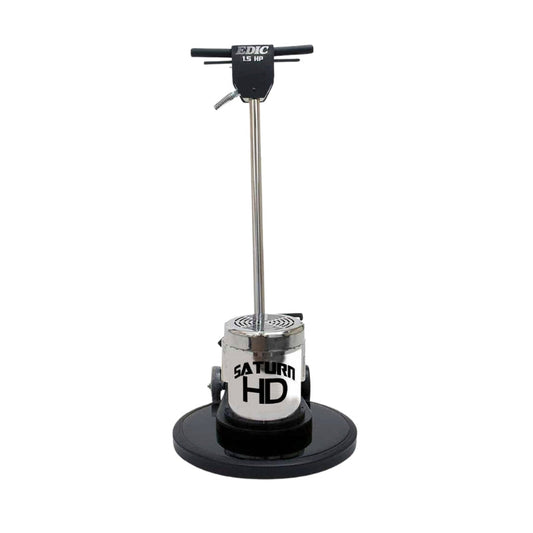
EDIC 17LS4-BK-SV Saturn 17 Inch Heavy Duty Low Speed Floor Buffer
Regular price $1,460.00 USDRegular priceUnit price per$1,599.00 USDSale price $1,460.00 USDSale -
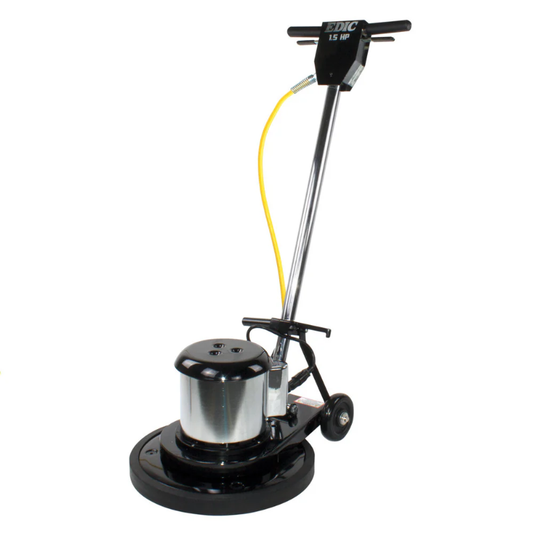
EDIC 17LS3-BK-SV Saturn 17 Inch Low Speed Floor Buffer Machine w/ Pad Driver - 175 RPM
Regular price $1,065.00 USDRegular priceUnit price per -
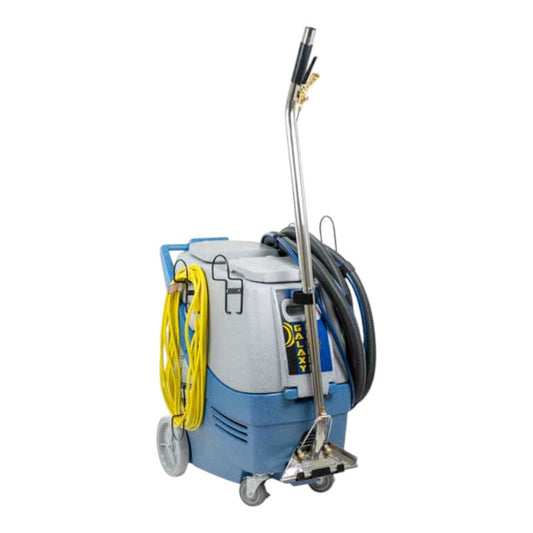
EDIC 17 Gallon Galaxy PRO 500 PSI Heated Extractor Kit
Regular price From $5,188.00 USDRegular priceUnit price per -
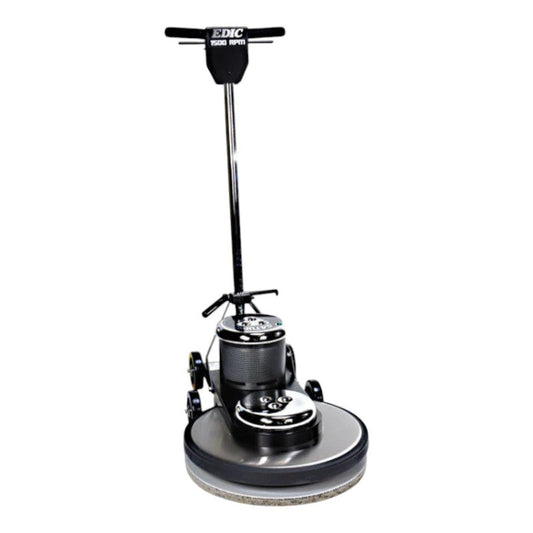
EDIC 20HS1500-BK-SV Saturn 20" High-Speed Floor Burnisher, 1500 RPM
Regular price $1,328.00 USDRegular priceUnit price per -
EDIC 14092A Hose and Wand Racks for Galaxy Carpet Extractors
Regular price $237.00 USDRegular priceUnit price per -
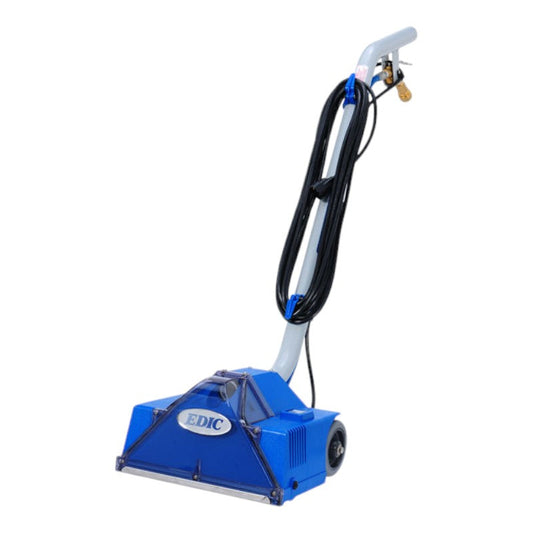
EDIC 1204ACH PowerMate Powered Carpet Wand
Regular price $999.00 USDRegular priceUnit price per -
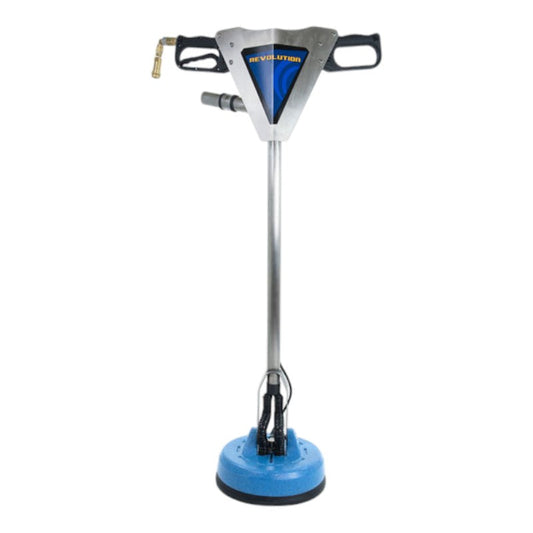
EDIC 1200REV Revolution Tile & Grout Cleaning Tool
Regular price $1,243.00 USDRegular priceUnit price per
Frequently Asked Questions
A: The seven key guidelines are: Select the right tool for the task. Ensure equipment is clean and in good working order before use. Follow manufacturer instructions for operation. Use appropriate protective gear (PPE) if necessary. Store equipment properly after use. Perform regular maintenance and inspections. Train staff on correct usage to prevent accidents and ensure efficiency.
A: Yes, safety is crucial. Depending on the task and chemicals involved, you may need to use gloves, goggles or a face shield (if there is a splash risk), a mask, and/or a protective apron/gown. Always read the Safety Data Sheet (SDS) and product labels for specific PPE requirements.
A: Always know the hazards associated with the product. Read the information on the label or safety data sheet, follow the instructions for use, know how to safely dilute the product (if needed), and work in a well-ventilated space.
A: Consider the size and type of your space, the frequency of cleaning, and the specific surfaces you need to maintain. For large, open areas, a ride-on scrubber might be ideal, while a walk-behind unit is better for navigating around obstacles and tight spaces.
A: No, not necessarily. Using a stiff-bristled brush on delicate flooring can cause damage. Ensure your equipment is designed for multi-surface use or has adjustable settings/attachments for different surfaces (e.g., specific pads for VCT vs. concrete).
A: It can be, provided the equipment has been properly refurbished and inspected by a reputable dealer. Ensure all necessary parts are checked and replaced to ensure high quality and longevity.