

Do Steam Cleaners Kill Bed Bugs? Practical Effectiveness & Tips
Bed bugs have made a troublesome comeback in homes, hotels, and apartments across the world. These tiny pests hide in mattresses, furniture, and cracks during the day, making them difficult to eliminate with traditional cleaning methods.
Many people wonder if steam cleaning can provide an effective solution to their bed bug problem.
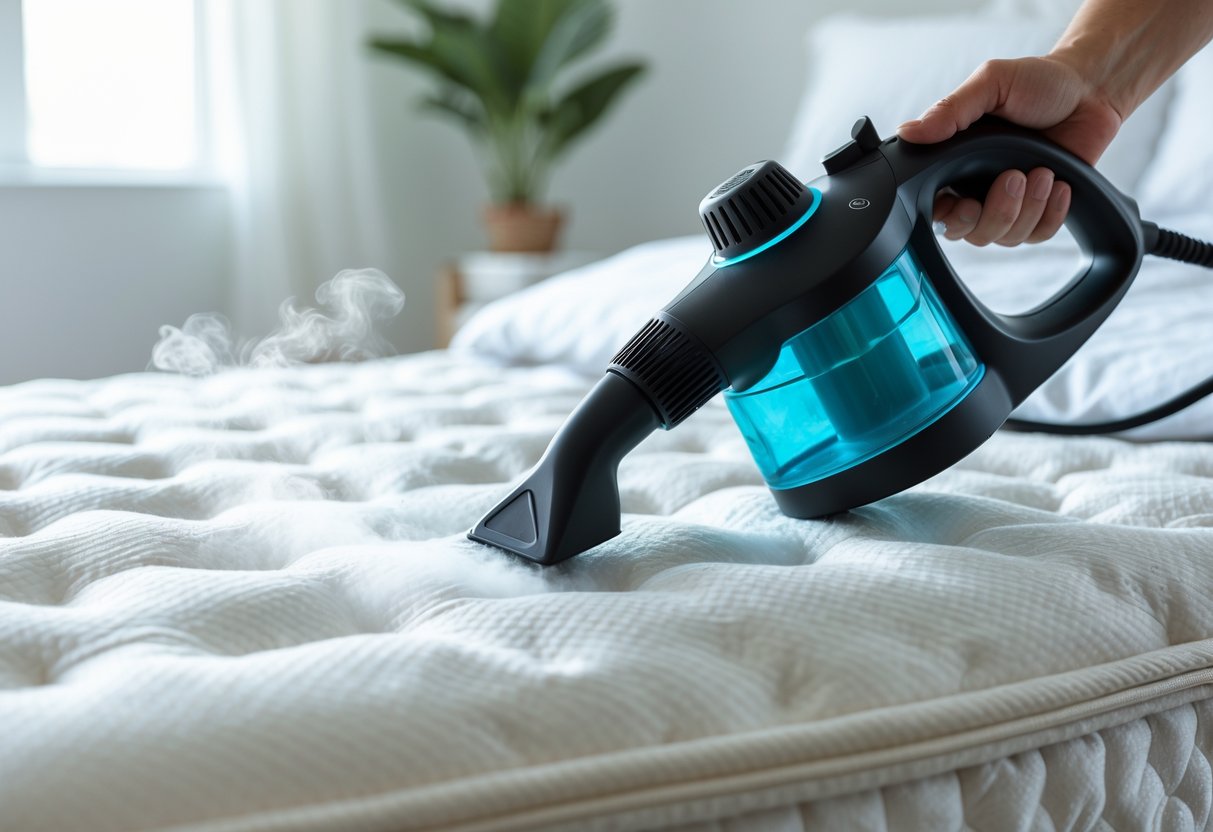
Steam cleaners can kill bed bugs when used properly, as research shows that steam treatment kills all life stages of bed bugs including eggs, nymphs, and adults. The high temperatures produced by steam cleaners reach levels that are lethal to these pests.
Steam works by delivering intense heat directly to areas where bed bugs hide and breed. Understanding how to use steam effectively against bed bugs requires knowing the right techniques and recognizing the method's limitations.
Key Takeaways
- Steam cleaners effectively kill bed bugs at all life stages when temperatures reach lethal levels of around 140°F
- Proper steam treatment requires slow, methodical application to penetrate hiding spots and ensure adequate heat exposure
- Steam cleaning works best as part of a comprehensive bed bug control strategy rather than a standalone solution
How Steam Cleaners Kill Bed Bugs
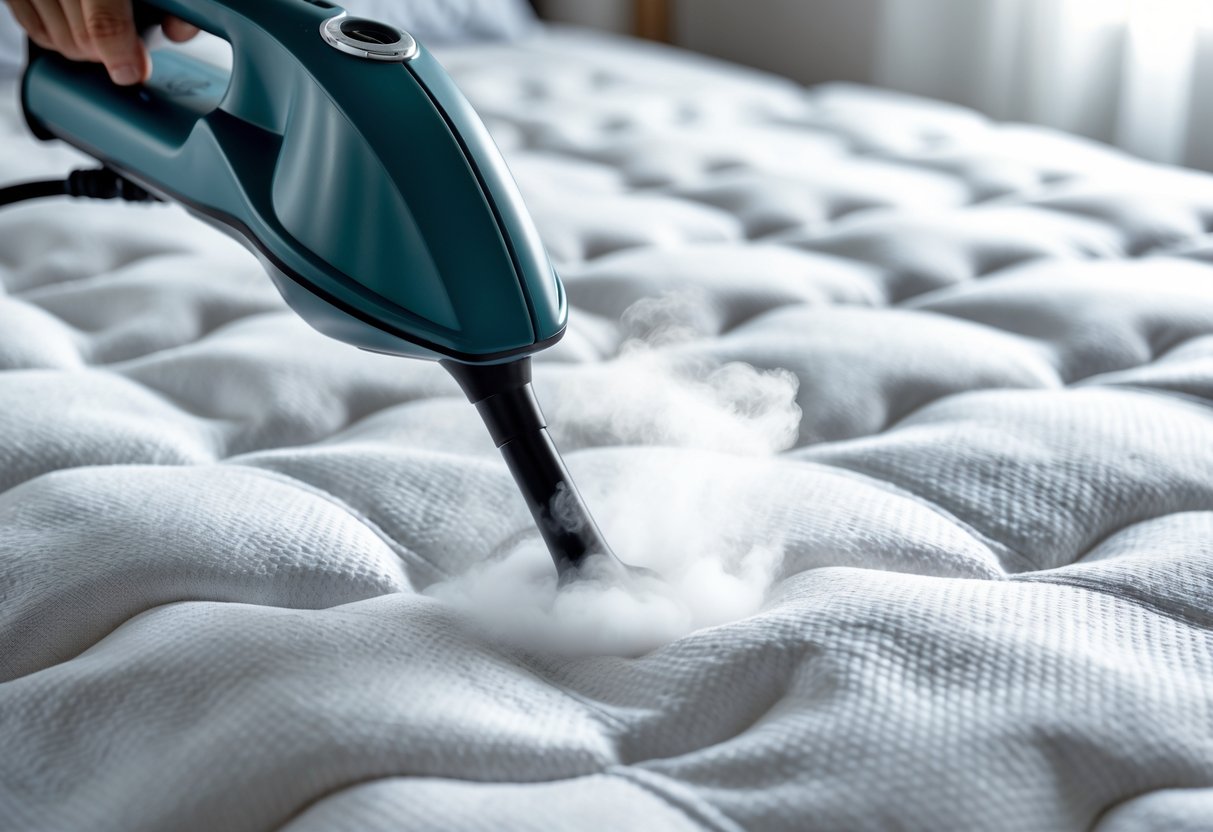
Steam cleaners eliminate bed bugs through high-temperature heat that destroys their cellular structure and proteins. The effectiveness depends on reaching lethal temperatures, proper penetration into hiding spots, and sufficient exposure time.
Effect of Steam on Bed Bugs and Eggs
Steam kills bed bugs by damaging their body proteins and disrupting their cellular functions. When exposed to high heat, bed bugs cannot survive because their bodies lack the ability to regulate temperature.
Adult bed bugs die quickly when steam reaches their bodies directly. The heat causes immediate protein denaturation, leading to death within seconds of proper exposure.
Bed bug eggs require the same lethal temperatures but may need slightly longer exposure. The egg shell provides some protection, but sustained heat penetrates through and kills the developing nymph inside.
The killing process happens through:
- Protein coagulation in body tissues
- Cell membrane destruction
- Dehydration from extreme heat exposure
- Respiratory system failure
Required Steam Temperature for Effectiveness
Steam must reach 140°F (60°C) to effectively kill bed bugs and their eggs. This temperature threshold ensures complete elimination of all life stages.
Most steam cleaners produce temperatures between 160°F to 200°F at the source. However, the temperature drops as steam travels through hoses and attachments.
Key temperature requirements:
- Minimum lethal temperature: 140°F (60°C)
- Recommended steam output: 160°F+ (71°C+)
- Contact time needed: 1-3 seconds at proper temperature
Studies indicate that temperatures of 60°C/140°F are lethal to bed bug eggs. Lower temperatures may injure bed bugs but won't guarantee death.
Steam temperature decreases with distance from the steamer nozzle. Users must keep the steamer close to treated surfaces to maintain lethal heat levels.
Penetration of Steam Into Fabrics and Crevices
Steam penetrates various materials differently, affecting its ability to reach hidden bed bugs. Fabric type and thickness determine how well steam can kill bed bugs in hiding spots.
Fabric penetration results:
- Thin fabrics: Excellent penetration and bed bug elimination
- Thick upholstery: Good penetration with proper technique
- Leather materials: Poor penetration, limited effectiveness
Research shows that bed bugs hiding behind fabric covers suffer over 89% mortality from steam treatment. However, bed bugs behind leather covers show little to no mortality regardless of treatment duration.
Steam works best in cracks and crevices where bed bugs commonly hide. The pressurized steam can enter small spaces that other treatments cannot reach effectively.
Effective steam penetration occurs in:
- Mattress seams and edges
- Furniture joints and corners
- Baseboards and wall cracks
- Carpet edges and tack strips
Dense materials like thick leather or multiple fabric layers block steam penetration and protect bed bugs from lethal temperatures.
Proper Steam Treatment Methods
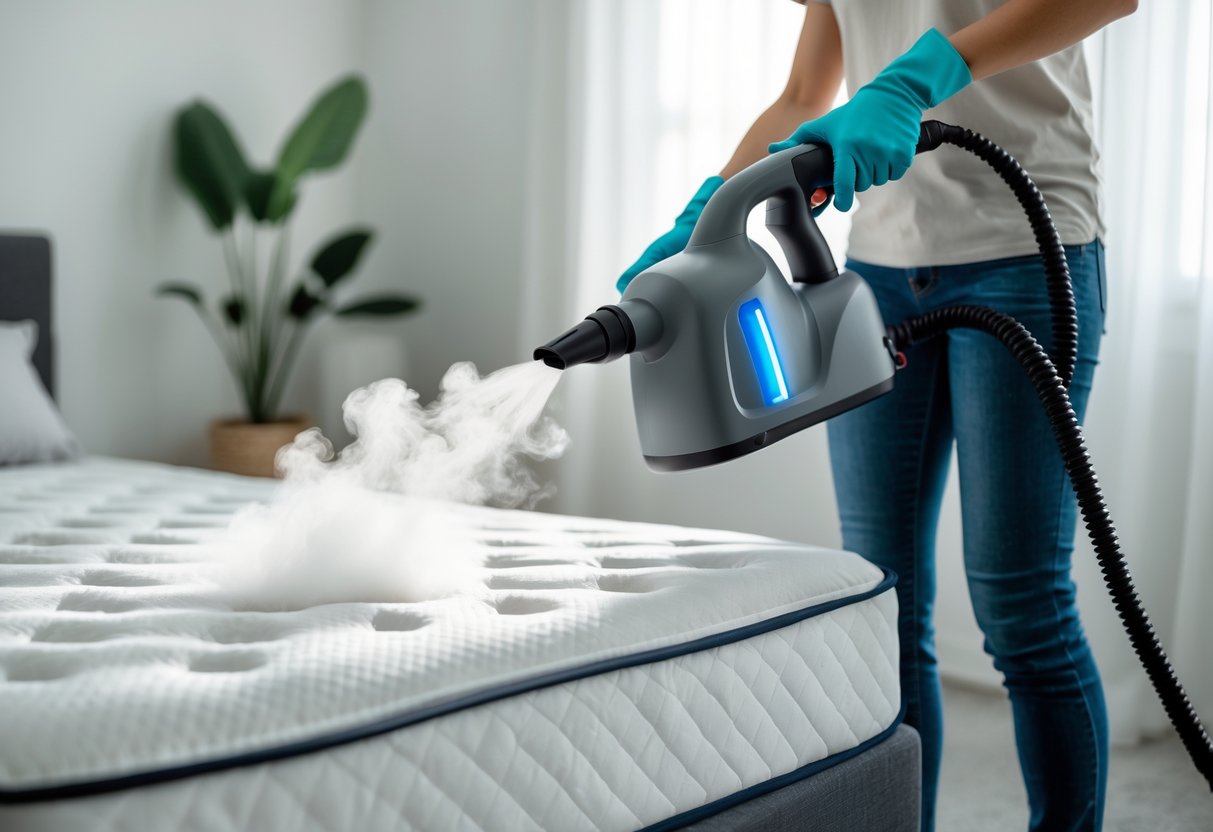
Effective steam treatment requires the right equipment, proper application technique, and specific temperature requirements to kill all bed bug life stages. Success depends on maintaining adequate heat exposure time and covering all potential hiding spots.
Choosing the Right Steam Cleaner
Not all steam cleaners work equally well for bed bug control. The steamer must produce temperatures of at least 160°F to kill bed bugs and their eggs effectively.
Commercial-grade steamers work better than household models. They maintain consistent temperature and pressure during extended use.
Look for units with adjustable steam flow controls.
Key features to consider:
- Large water tank capacity (1 gallon or more)
- Multiple attachment options
- Temperature gauge or indicator
- Continuous steam production
- Quick heat-up time
Handheld steamers often lack the power needed for thorough treatment. They may not maintain proper temperature long enough to kill bed bug eggs.
Step-by-Step Steam Application
Start by removing clutter and preparing the treatment area. Focus on known bed bug hiding spots first.
Hold the steamer tip 1-2 inches from the surface. Move slowly at a rate of about 10 seconds per 30.50 cm for proper coverage.
Treatment order:
- Mattress seams and box spring
- Bed frame joints and cracks
- Furniture crevices
- Baseboards and carpet edges
- Curtains and upholstery
Apply steam to each area for several seconds. The surface should feel hot to the touch after treatment.
Work systematically to avoid missing spots. Pay extra attention to areas where bed bugs cluster.
Tips for Maximizing Bed Bug Mortality
Research shows that bed bug eggs achieve 100% mortality regardless of exposure duration, while adults and nymphs require longer contact time.
Use attachments to direct steam into tight spaces. Fabric tools work well for mattresses and upholstery.
Brush attachments help penetrate carpet fibers.
Temperature considerations:
- Maintain steam temperature above 160°F
- Allow surfaces to reach lethal temperatures
- Extend treatment time in heavily infested areas
Test fabric and surfaces in hidden areas first. Some materials may be damaged by high heat or moisture.
Combine steam treatment with other methods for best results.
Limitations and Challenges of Steam Cleaning
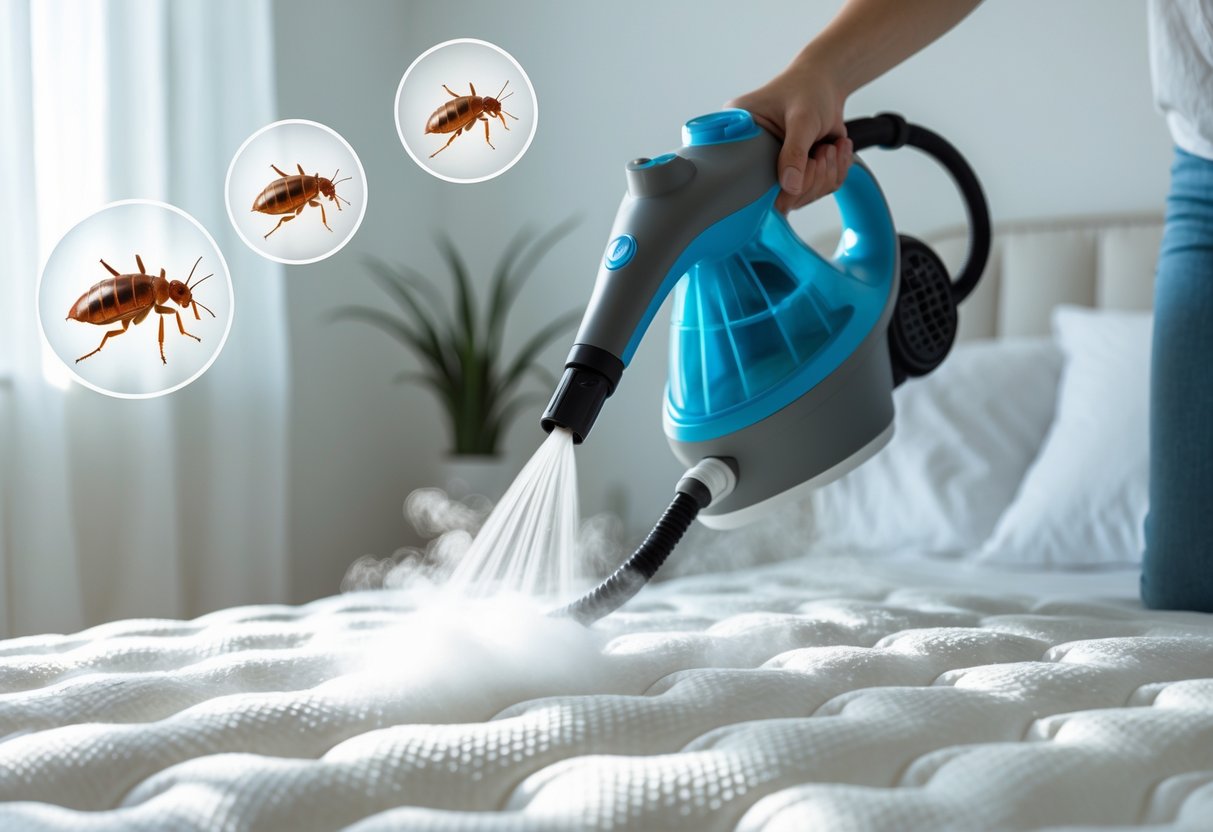
Steam treatment faces several practical challenges that can reduce its effectiveness against bed bug infestations. Users must understand safety risks, access difficulties, and the potential for bugs to return after treatment.
Risks and Precautions
Steam cleaners produce temperatures that can reach 200°F or higher. This heat poses serious burn risks to users and can damage furniture, electronics, and delicate fabrics.
Safety hazards include:
- Severe burns from direct contact with steam
- Electrical shock from wet conditions
- Slipping on wet surfaces after treatment
Steam can warp wood furniture and cause paint to peel. Electronics like televisions and computers can suffer permanent damage from moisture and heat exposure.
Users must wear protective clothing and move slowly during treatment. Testing steam on hidden areas first helps prevent visible damage to furniture and fabrics.
Water damage is another concern. Excessive steam can soak mattresses and create mold problems if materials don't dry completely within 24 hours.
Difficulties Reaching Hidden Infestations
Bed bugs hide in tiny cracks and spaces that steam cannot always penetrate effectively. Steam treatment struggles with bed bugs located behind leather covers, showing zero to minimal mortality regardless of treatment duration.
Common problem areas include:
- Inside electrical outlets and switch plates
- Behind baseboards and wall trim
- Deep inside mattress seams and box springs
- Within furniture joints and screw holes
Steam loses temperature quickly as it travels through air. Bugs hiding more than a few inches from the steam source may survive treatment completely.
Wall voids and spaces between floorboards present major challenges. Steam cannot reach these areas without damaging the structure itself.
Professional pest control often combines steam with other methods because of these access limitations.
Potential for Reinfestation
Steam kills bed bugs on contact but provides no lasting protection against new infestations. Bugs can return immediately after treatment from untreated areas or neighboring units.
Missed bugs during initial treatment can rebuild populations within weeks. A single fertilized female can lay hundreds of eggs over her lifetime.
Reinfestation sources include:
- Neighboring apartments in multi-unit buildings
- Visitors bringing bugs on clothing or luggage
- Used furniture purchased after treatment
- Pets that may harbor bugs temporarily
Steam treatment requires multiple sessions spaced 10-14 days apart to catch newly hatched bugs. Many people stop treatment too early, allowing survivors to reproduce.
Steam exposure can temporarily reduce bed bug activity and feeding, making it harder to detect remaining populations during follow-up inspections.
Combining Steam with Other Bed Bug Control Methods
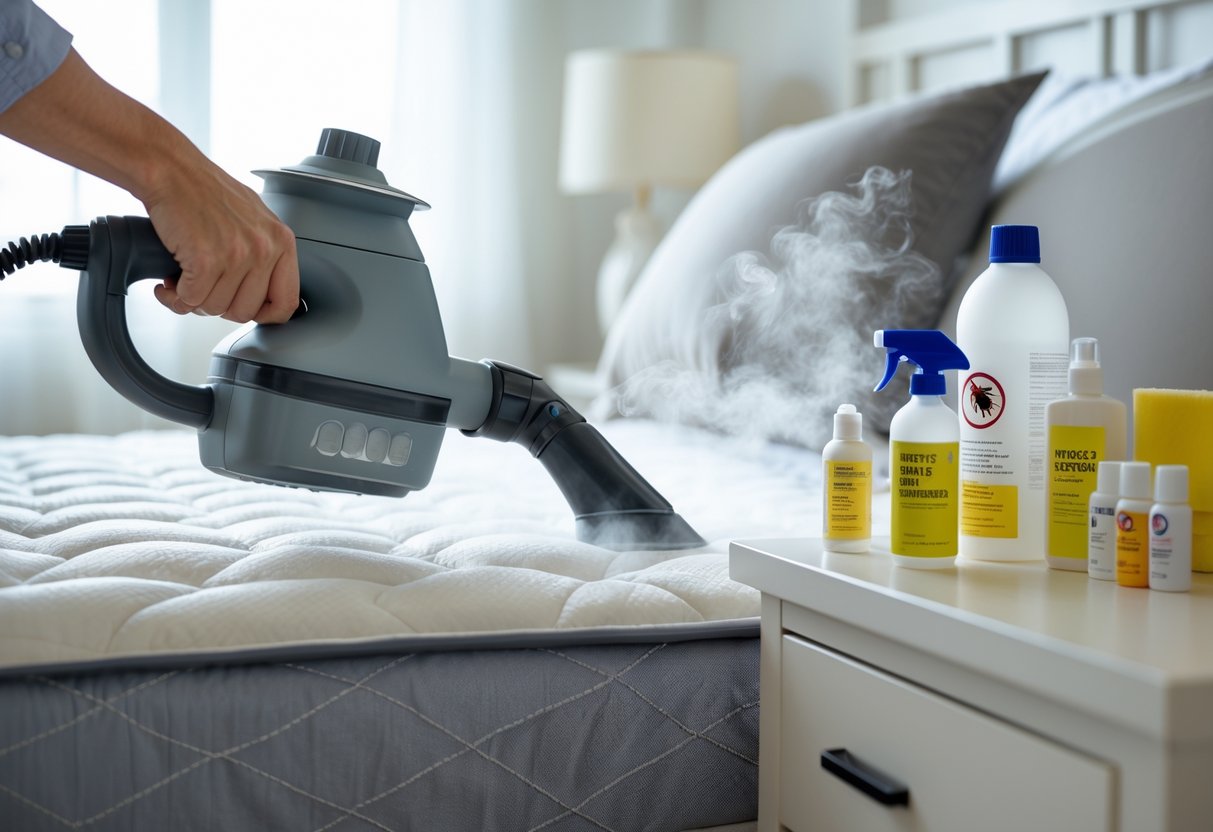
Steam treatment works best when paired with other pest control strategies. Research shows that combining steam with insecticides and traps creates a more complete approach to eliminating bed bug infestations.
Integrating Steam and Bed Bug Traps
Bed bug traps serve as monitoring tools that work alongside steam treatments. Interceptor traps placed under bed legs catch bugs trying to reach sleeping areas.
Active monitors with CO2 lures draw bed bugs out from hiding spots. Steam cleaning these areas immediately after trap placement kills exposed bugs.
Trap placement timing matters:
- Install traps before steam treatment
- Steam around trap locations within 24 hours
- Check traps weekly for 6-8 weeks after treatment
Research indicates that steam treatment causes faster bed bug reduction based on interceptor counts. The combination helps track treatment success.
Sticky traps also monitor areas after steaming. They reveal whether bugs survive in untreated spots or move from other rooms.
Using Steam Alongside Chemical and Heat Treatments
Chemical treatments target areas steam cannot reach effectively. Residual insecticides work in wall voids and electrical outlets where steam penetration is limited.
Steam kills bugs on contact while chemicals provide longer protection.
This dual approach addresses both immediate infestations and prevents recolonization.
Treatment sequence guidelines:
- Steam first to kill exposed bugs.
- Apply insecticides to cracks and crevices.
- Wait 2-3 hours between treatments.
- Focus chemicals where steam cannot penetrate.
Studies show that combining multiple methods is usually required to eliminate bed bug infestations.
Professional heat treatments pair well with steam for severe infestations. Heat reaches 120-140°F throughout rooms while steam provides targeted spot treatment at even higher temperatures.
Professional vs. DIY Steam Treatments
Professional pest control services bring specialized equipment and expertise. Homeowners can achieve similar results with consumer-grade steamers when used properly.
The choice depends on infestation severity, budget, and comfort level with the treatment process.
Benefits of Hiring Pest Control Experts
Professional pest control companies use commercial-grade steam equipment designed for extensive bed bug treatments. These machines typically generate higher temperatures and maintain consistent steam output throughout large treatment areas.
Trained technicians understand bed bug behavior patterns. They know exactly where to look for hiding spots that homeowners often miss.
This includes wall voids, electrical outlets, and furniture joints where bed bugs commonly nest.
Professional treatments often include guarantees. Most pest control companies offer follow-up visits if bed bugs return within a specified timeframe.
This provides peace of mind that DIY treatments cannot match.
Experts can identify the full scope of a bed bug infestation. They use detection tools and techniques beyond what typical homeowners possess.
Professional services also coordinate steam treatment with other integrated pest management strategies. They may combine steaming with targeted insecticide applications or heat treatments for maximum effectiveness.
Considerations for Homeowners Doing It Themselves
Research shows that consumer-grade steamers achieve the same high control efficacy as professional equipment when treating bed bugs on mattresses and in fabric hiding spots.
Affordable home steam cleaners can kill all life stages of bed bugs when used correctly.
DIY steam treatment requires thorough preparation. Homeowners must move furniture, remove bedding, and access all potential hiding areas.
This process can be time-intensive and physically demanding.
Temperature monitoring becomes critical for DIY users. Steam must reach temperatures above 160°F at the point of contact to effectively kill bed bugs.
Many consumer steamers lack built-in temperature gauges.
Cost savings represent a major advantage of DIY treatments. A quality consumer steam cleaner costs significantly less than professional pest control services, especially for multiple treatments.
Homeowners face limitations with severe infestations. DIY steam treatment works best for localized bed bug problems rather than widespread infestations throughout multiple rooms or apartments.
Frequently Asked Questions
Steam cleaners need specific temperatures and contact times to kill bed bugs at all life stages. Professional equipment and proper techniques are essential for effective treatment.
What temperature does a steam cleaner need to reach to exterminate bed bugs effectively?
Steam cleaners must reach temperatures of at least 140°F (60°C) to kill bed bugs effectively. Temperatures of 60C/140F is found to be lethal to bed bug eggs according to research studies.
Professional steam cleaners typically produce steam at 200-250°F. This higher temperature ensures the steam maintains lethal heat even as it travels through attachments and contacts surfaces.
The steam temperature must penetrate into cracks and crevices where bed bugs hide. Surface temperatures need to stay above 140°F long enough to kill all bugs present.
Can a steam cleaner eliminate bed bugs in all life stages, including eggs?
Steam cleaners can kill bed bugs at every life stage when used properly. Research shows that mean percentage mortality of bed bug eggs was 100% regardless of duration of exposure.
Adult bed bugs and nymphs are also vulnerable to steam treatment. The same study found mortality rates of 88-94% for nymphs and adults in laboratory conditions.
Eggs are often the most difficult stage to eliminate with other treatments. Steam's ability to kill 100% of eggs makes it particularly valuable for bed bug control.
How long should you apply steam to an area to ensure bed bugs are killed?
Steam exposure time varies based on the hiding location and surface type. Direct contact with 140°F steam kills bed bugs almost instantly.
Most experts recommend applying steam for 10-15 seconds per area. Thicker materials like mattresses may need 20-30 seconds of treatment.
The key is ensuring steam penetrates deep enough to reach hidden bugs. Moving the steamer slowly allows heat to build up in cracks and seams.
What are the best practices for using a steam cleaner to remove bed bugs from upholstered furniture?
Start by removing cushions and treating all surfaces separately. Steam should be applied to seams, cracks, and crevices where bed bugs typically hide.
Use a narrow attachment to direct steam into tight spaces. Move the steamer slowly at about one inch per second to ensure adequate heat exposure.
Allow furniture to dry completely before reassembling. Moisture trapped in upholstery can lead to mold growth if not properly dried.
Work systematically from top to bottom. This prevents bugs from escaping to already-treated areas during the process.
Are there any risks associated with using steam cleaners for bed bug eradication?
Steam can damage certain materials and finishes. Test steam on a hidden area first to check for discoloration or damage.
Burns are a serious risk when using steam equipment. Always wear protective clothing and keep the steamer moving to avoid concentrated heat exposure.
Excessive moisture can damage electronics and cause mold growth. Remove or cover sensitive items before treatment.
Some fabrics may shrink or become discolored. Check manufacturer labels before steaming delicate materials.
What type of steam cleaner accessories are recommended for optimal bed bug removal?
Narrow crevice tools are essential for reaching tight spaces between mattress seams and furniture joints. These attachments concentrate steam into small areas where bed bugs hide.
Wide brush attachments work well for treating large fabric surfaces like mattresses and upholstery. The bristles help steam penetrate deeper into materials.
Extension wands allow users to reach high areas and maintain safe distance from hot surfaces. This reduces burn risk while ensuring thorough coverage.
Triangular attachments are useful for treating corners and edges where bed bugs commonly congregate.
About The Author
Samson Goitom, founder of TopCleaningEquipment.com, is an accomplished e-commerce entrepreneur recognized for raising standards within the commercial cleaning equipment industry. Guided by a commitment to meaningful innovation and real-world impact, Samson built his platform around a clear mission: delivering reliable, high-performance cleaning solutions that truly enhance how people maintain their environments.
Leveraging years of hands-on industry experience, deep product expertise, and a strong focus on customer needs, Samson brings a research-driven, quality-first approach to every recommendation and resource on TopCleaningEquipment.com. His dedication to promoting healthier spaces, sustainable practices, and dependable equipment continues to drive the company’s vision—ensuring readers receive credible, practical insights for their cleaning and facility-care challenges.